
Is My Pipe Frozen? 4 Signs You’re Heading for a Burst
In Chicago, we treat sub-zero temperatures like a competitive sport. We’ve got the heavy coats, the salt for the driveway, and the remote starters ready to go. But while you’re cozy inside, your plumbing is fighting a silent battle against the frost.
The scariest part about a frozen pipe isn't necessarily the ice itself—it’s the "calm before the storm." Often, a pipe will freeze partially or completely, creating a massive pressure buildup that eventually leads to a catastrophic burst. Catching the problem during the "frozen" stage can save you thousands in water damage.
Here are the four telltale signs that your pipes are freezing and you need to act fast.
1. The "Pathetic Dribble" (Low Water Pressure)
The most common sign of a frozen pipe is turning on the faucet and getting only a tiny trickle of water—or absolutely nothing at all.
If you turn on the kitchen sink and it works fine, but the bathroom sink (which might be located against an exterior wall) is barely running, you likely have a localized freeze. The ice is acting like a physical plug, preventing water from passing through.
Pro Tip: If this happens, leave the faucet open. As you begin to thaw the pipe, that opening provides a place for the melting water and pressure to escape.
2. Visible Frost on the Pipes
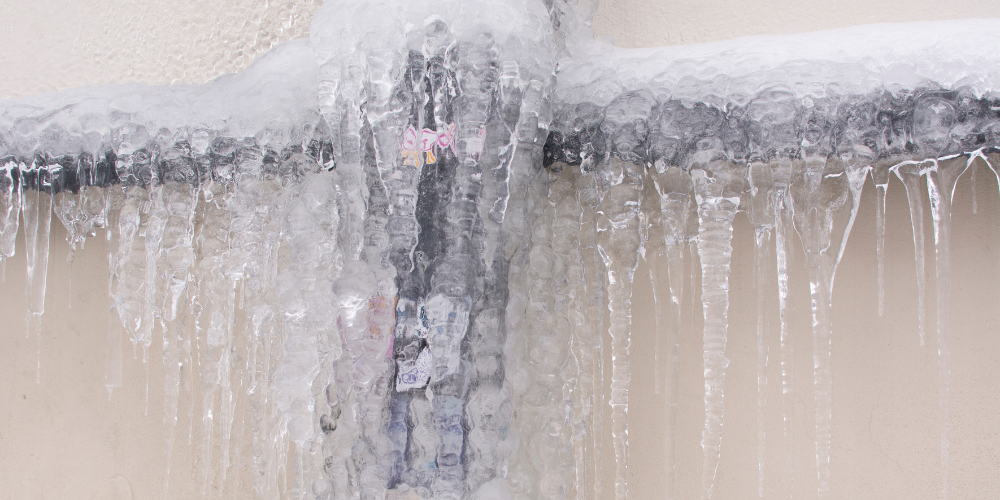
If you have exposed pipes in a basement, crawl space, or under a sink, take a flashlight and do a quick inspection. If you see a layer of frost on the outside of the copper or PEX tubing, it’s a dead giveaway that the water inside is at or below the freezing point.
This is a major red flag. Pipes that are visible and frosty are often the easiest to save because you can apply gentle heat (like a hairdryer) directly to the affected area. If the pipe looks slightly bulged or "swollen," it means the ice has already expanded significantly, and you are inches away from a burst.
3. Strange and Unpleasant Odors
This is the sign most homeowners miss. If a drain or a toilet starts smelling like sewer gas, it could actually be a freezing issue.
Every plumbing system has a "vent stack" that goes up through the roof to allow gases to escape. During a Chicago deep freeze, moisture can turn to ice inside that vent, blocking it completely. When the gas can't go up, it comes back down into your home. While the vent itself won't "burst" and flood your house, it’s a sign that your home’s plumbing is reaching dangerous temperatures.
4. Whistling, Bubbling, or Gurgling Noises
Pipes are supposed to be relatively quiet. If you hear strange whistling or banging sounds (often called "water hammer") when you try to use the water, it’s often due to the restricted path the water is trying to take.
As water tries to squeeze past a partial ice blockage, it creates extreme pressure and turbulence. If you hear gurgling when you flush the toilet or run the shower in the winter, the system is struggling to breathe and move water—usually because ice is standing in the way.
Why "Frozen" Quickly Becomes "Burst"
It’s a common myth that the ice expanding is what breaks the pipe. While that contributes, the real culprit is hydraulic pressure.
When a pipe freezes solid in one spot, the water between that ice blockage and the closed faucet becomes trapped. As the ice grows, it pushes that trapped water toward the faucet. The pressure becomes so intense that the pipe eventually fails at its weakest point—usually a joint or a section of pipe that isn't even frozen yet!
What to Do Right Now
If you notice these signs, don't wait for the "thaw." When the temperature rises, the ice melts, and if the pipe has already cracked, you'll have a flood on your hands.
Keep the faucet open.
Apply gentle heat (never an open flame!).
Open cabinet doors to let warm house air reach the pipes.
If you can't find the freeze, or if you see a visible crack in the line, you need professional help immediately. Contact Angel Sewer & Plumbing to safely thaw your lines and inspect your system for damage before a small freeze becomes a major disaster.