
The Ultimate Guide to Finding Your Home's Main Water Shut-Off Valve
Imagine this: You’re relaxing on a Saturday evening when you suddenly hear the sound of rushing water. You run into the kitchen to find a pipe under the sink has burst, and water is gushing across your hardwood floors. In that moment of panic, every second counts. Do you know how to stop the flow?
The most important piece of plumbing knowledge any homeowner can have is the exact location of the main water shut-off valve. This valve controls the entire water supply to your home. Turning it off stops the leak at the source, preventing thousands of dollars in water damage.
For our neighbors in Chicago, where frozen pipes are a winter reality, finding this valve before an emergency happens is a critical part of homeownership. Here is everything you need to know to locate and operate your main shut-off valve.
Step 1: Know What You’re Looking For
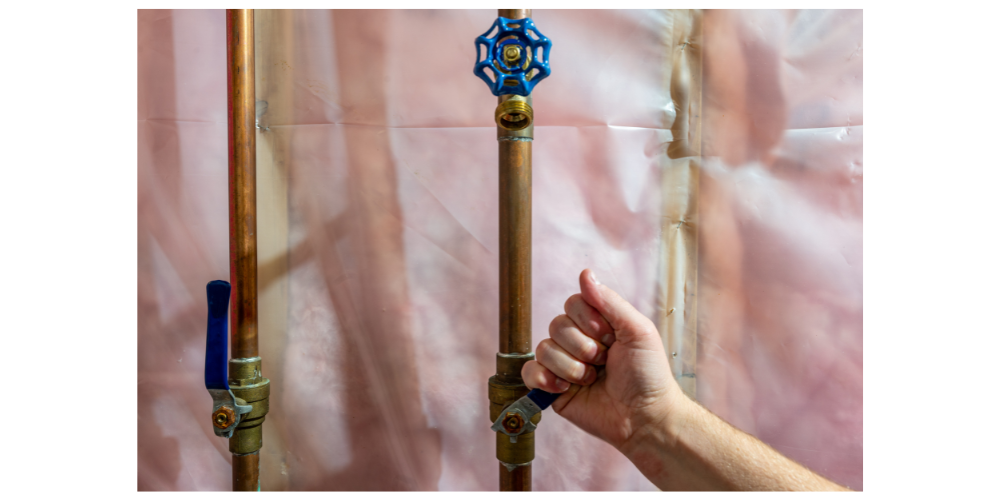
Before you start hunting through your basement or utility closet, you need to know what the valve looks like. Most homes feature one of two types of valves:
Gate Valve: This looks like a small wheel (similar to a garden hose spigot). These are common in older Chicago homes. To shut it off, you turn the wheel clockwise until it stops. Be careful—older gate valves can be stubborn or brittle if they haven't been moved in years.
Ball Valve: This features a straight handle. When the handle is parallel to the pipe, the water is on. To shut it off, turn the handle 90 degrees so it is perpendicular (crossing) the pipe.
Step 2: Search the Most Likely Locations
In Chicago, we have to protect our water lines from the frost. This means your main shut-off valve will almost always be located inside the house, usually in a basement, crawl space, or utility area.
Follow the Water Meter: Your shut-off valve is usually located very close to your water meter. Look for the large pipe entering your home from the street. The valve is typically located on the pipe immediately before or after it passes through the meter.
The Perimeter Wall: Check the interior wall that faces the street. Most water mains enter the house at the front, though in some Chicago layouts, they may enter from the alley side.
The Basement or Crawl Space: If you have a basement, the valve is likely at eye level or tucked near the floor along the foundation wall. In homes with crawl spaces, it is often located just inside the crawl space hatch.
The Utility Closet: If your home is built on a slab (no basement or crawl space), check your utility closet or the area near your water heater or furnace.
Step 3: How to Operate the Valve
Once you’ve found it, you need to make sure it actually works.
Test It Gently: If you have a gate valve (the wheel), turn it slowly clockwise. Do not force it if it feels stuck, as you could snap the internal stem. If it's a ball valve (the lever), pull the lever 90 degrees.
Verify the Flow: Turn on a faucet somewhere in the house. If the water stops running after a few seconds (once the residual water in the pipes drains out), you have successfully shut off the main supply.
Label It: Once you’ve identified the correct valve, hang a bright-colored tag on it. This ensures that anyone in the house—or a visiting plumber—can find it instantly in the dark or during a high-stress emergency.
What if You Can’t Find It?
In some older buildings or complex renovations, the main valve might be hidden behind a drywall access panel or located in a pit beneath the floor. If you’ve searched the perimeter of your home and still can't locate the meter or the valve, it’s time to bring in a professional.
Knowing the location of your shut-off valve is your first line of defense against a plumbing disaster. If you need help locating your valve, if your current valve is stuck and needs replacement, or if you’re currently facing a plumbing emergency, we are here to help.
Contact Angel Sewer & Plumbing today to schedule an inspection or to handle any of your Chicago plumbing needs!