
Septic vs. Sewer: Knowing the Difference and How to Care for Your System
For many Chicago area homeowners, especially those living in the surrounding suburbs or rural areas, the source of waste disposal is an everyday thought—until something goes wrong. Understanding whether your home relies on a municipal sewer system or a private septic system is critical, as the maintenance, costs, and responsibilities for each are vastly different.
Here is a straightforward guide to help you identify your system and learn how to care for it properly.
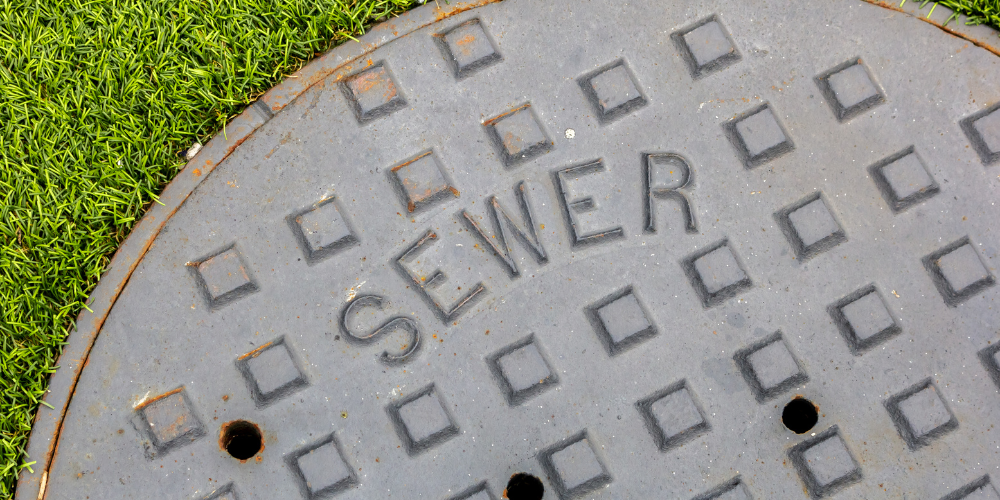
Municipal Sewer System: The "Set It and Forget It" Option
A municipal sewer system, often just called "the sewer," is the public network of underground pipes that carries wastewater from your home to a central municipal treatment plant.
How It Works: When you flush a toilet or drain a sink, the wastewater travels through your home's main sewer line, which connects directly to the larger sewer main line buried under the street. From there, the city or local municipality takes full responsibility for treating and disposing of the waste.
Your Responsibility: Your responsibility typically ends where your property line meets the municipal sewer main. You are responsible for the maintenance and repair of the private line running from your home to that connection point. This is often why you need to call a plumber for a sewer backup repair—because the blockage is on your private side of the system.
Care Tips: The best care for a sewer system is preventative maintenance:
Be mindful of what you flush (nothing but human waste and toilet paper).
Avoid pouring grease or large amounts of food down the kitchen drain.
Consider a sewer camera inspection every few years to check for tree root intrusion, which is a common cause of backups in older urban systems.
Private Septic System: The Homeowner’s Treatment Plant
A septic system is essentially a small, on-site sewage treatment facility. Homes that are far from municipal sewer mains, typically in more rural or newer suburban developments, rely on these private systems.
How It Works: Wastewater leaves your home and flows into the septic tank .
Tank: The solid waste (sludge) settles at the bottom, and lighter waste (scum) floats to the top. Effluent (liquid wastewater) remains in the middle.
Bacteria: Naturally occurring bacteria break down a significant portion of the organic matter in the tank.
Drain Field: The remaining liquid effluent exits the tank and flows through perforated pipes into the drain field (or leach field), where it is naturally filtered by the soil before safely re-entering the groundwater.
Your Responsibility: With a septic system, you are fully responsible for the maintenance, repair, and eventual replacement of the entire system—the tank, the drain field, and all connecting pipes. Proper care is essential for preventing costly drain field failure.
Care Tips:
Routine Pumping: The septic tank must be pumped by a professional every 3 to 5 years. This removes the accumulated sludge and scum, preventing it from overflowing into the drain field and causing catastrophic failure.
Water Management: Excessive water use can flood the drain field and overwhelm the system's ability to process waste.
"Only Flush" Rule: Be extremely strict about what goes down the drain. Never flush anything non-biodegradable (like wipes, feminine products, or dental floss) or any harsh chemicals, as they can kill the beneficial bacteria needed to digest the waste.
Landscape Awareness: Do not plant trees or shrubs near the drain field, as the roots will clog and destroy the pipes. Never drive or park heavy vehicles over the drain field.
Unsure Which System You Have?
If you're buying a home or simply don't know your home's setup, here are quick ways to find out:
Look for a Sewer Bill: If you pay a fee on your monthly utility bill for "sewer service," you are connected to the municipal system.
Check Your Yard: A septic system will have a visible access lid or cleanout in the yard, usually 10–25 feet from the home.
Contact Local Authorities: Your local public works department or health department will have records of whether your address is connected to the city sewer or if it has an individual septic permit.
Whether your waste flows to the city or stays on-site, Angel Sewer & Plumbing is equipped to handle your needs. From clearing your private sewer line to providing expert maintenance on your septic system, we ensure your waste disposal is running cleanly and efficiently.
Contact Angel Sewer & Plumbing today for professional diagnosis and dependable service!